“gamble box” Tags
The 2026 FIFA World Cup is set to be a landmark event not just for football fans but also for cultural representation. The upcoming match between Iran and Egypt in Seattle, dubbed the 'Pride Match', is gaining attention for its significance beyond the pitch. This momentous event is poised to address both sports and inclusivity, resonating with fans and advocates alike.
Significance of the 'Pride Match'
The term 'Pride Match' refers to the conscious effort to highlight LGBTQ+ rights and visibility during an event that traditionally unites people through sport. The match between Iran and Egypt, two nations with complex socio-political dynamics and varying attitudes towards LGBTQ+ rights, symbolizes more than just competition on the field.
Cultural Context and Relevance
As Seattle prepares to host this unique encounter, discussions surrounding the cultural implications are at the forefront. The inclusion of rainbow flags and other symbols of pride is particularly noteworthy, especially given the current global climate regarding LGBTQ+ rights.
- Iran: A country where homosexuality is criminalized and LGBTQ+ individuals face severe persecution.
- Egypt: Similarly, Egypt has a history of suppressing LGBTQ+ communities, making this match a significant platform for advocacy.
Seattle, known for its progressive values, is a fitting venue for such a match, where fans can openly show their support for equality and acceptance.
Football as a Unifying Force
Football has the power to bring people together, transcending barriers of nationality, race, and sexuality. The 'Pride Match' is an opportunity to leverage this sport as a means to promote dialogue and awareness around LGBTQ+ rights, especially in regions where such discussions are taboo.
Potential Impact on the LGBTQ+ Community
The visibility of the 'Pride Match' could have a profound effect on LGBTQ+ communities both locally and globally. By shining a light on these issues, the match can foster greater understanding and acceptance among fans, encouraging them to reflect on their own beliefs and attitudes.
- Encouragement of local LGBTQ+ organizations to engage with the community.
- Increased visibility for LGBTQ+ athletes and advocates.
- Potential partnerships with international human rights organizations.
Additionally, events like this may inspire similar initiatives in future sporting events, creating a larger movement towards inclusive practices in sports.
What to Expect from the Match
The match promises not only competitive football but also a vibrant celebration of diversity. Fans can expect a range of activities before and during the match, including parades, speeches from LGBTQ+ advocates, and performances that celebrate pride.
Key Elements for Attendees
For those attending the match, here are a few essential details:
- Date: Scheduled during the 2026 World Cup, specific date to be confirmed.
- Location: Lumen Field, Seattle.
- Pre-Match Events: Community gatherings, rallies, and cultural performances.
- Merchandise: Special edition 'Pride Match' merchandise will be available.
Attendees are encouraged to embrace the spirit of pride, showcasing support through attire and flag displays.
Conclusion: A Match Beyond the Scoreboard
The Iran vs. Egypt 'Pride Match' at the World Cup 2026 is shaping up to be a historic event that transcends the spirit of competition. It stands as a powerful testament to the influence of sports in advocating for inclusivity and rights for all individuals, regardless of their sexual orientation. As the world watches, Seattle prepares to not just celebrate football but also to advocate for human rights, making this match an important milestone in both sporting and social history. This is a moment that highlights the intersection of sports and social justice, encouraging fans and players alike to engage in meaningful dialogue about acceptance and equality.

In a significant move towards transparency, Beaumont Hospital in Dublin has announced that it will publicly apologize for governance and oversight failures revealed in its 2024 financial accounts. This acknowledgment underscores the institution's commitment to accountability and could reshape public trust in healthcare administration.
The Context of the Apology
The decision to issue a formal apology stems from findings that indicate lapses in governance practices at the hospital. Such issues can have far-reaching implications, not just for patients but also for staff and stakeholders involved in the healthcare system. By addressing these shortcomings, Beaumont aims to restore confidence among its staff and the wider community in Dublin.
Understanding Governance Failures
Governance failures in healthcare organizations often arise from a variety of factors, including lack of oversight, inadequate management practices, and insufficient communication. In the context of Beaumont Hospital, these failures were brought to light during a routine review of the 2024 accounts, which raised concerns about operational efficiency and patient care standards.
Key Findings from the 2024 Accounts
- Inconsistent Protocols: The review revealed that some clinical protocols were not consistently adhered to, leading to a potential risk in patient safety.
- Financial Discrepancies: Minor discrepancies in financial management practices indicated a lack of robust financial oversight.
- Communication Gaps: Staff reported inadequate communication regarding policy changes, contributing to confusion and misalignment in patient care.
Why This Matters Now
The timing of this public acknowledgment is crucial as it aligns with growing calls for greater accountability in healthcare services. In an era where patient rights and quality care are at the forefront of health discussions, Beaumont’s proactive stance serves as a case study for other institutions grappling with similar governance issues.
Public Reaction and Implications
Reactions to the announcement have ranged from support for the hospital's transparency to concerns regarding the potential impact on patient trust. As healthcare institutions worldwide navigate the complexities of governance, the implications of Beaumont's apology could serve as both a warning and a guide for others facing similar challenges.
The Importance of Accountability in Healthcare
Accountability in healthcare is paramount. It fosters a culture of safety, enhances patient trust, and ensures that care standards are met consistently. Beaumont Hospital’s commitment to rectifying its governance failures may pave the way for renewed focus on these principles within the healthcare sector.
Steps Forward for Beaumont Hospital
As Beaumont Hospital moves forward, several key steps will be essential to restore confidence and improve its governance framework:
- Implementing Stronger Oversight Measures: Establishing a governance committee dedicated to monitoring compliance and operational protocols.
- Enhancing Staff Training and Communication: Regular training sessions for staff to ensure they are informed of best practices and institutional policies.
- Engaging with the Community: Hosting forums to discuss improvements and gather feedback from patients and families, fostering a transparent dialogue.
Conclusion
Beaumont Hospital’s public apology marks a pivotal moment for the institution, emphasizing the importance of governance and accountability in healthcare. As the hospital takes steps to rectify its governance failures, it sets a precedent for others in the sector to follow. By openly addressing issues and committing to improvements, Beaumont aims to rebuild trust and enhance the quality of care provided to its patients.
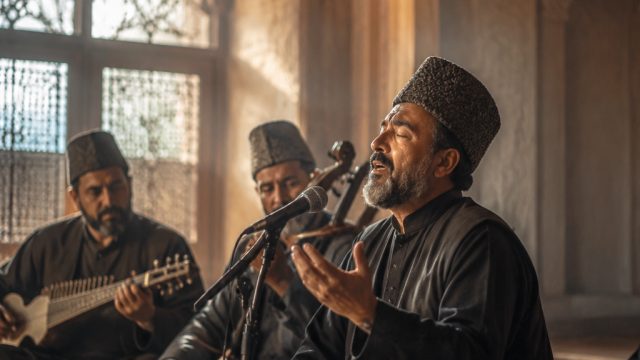
In a significant cultural initiative, the Jammu and Kashmir government has set its sights on the inclusion of Sufiyana music in UNESCO's intangible heritage list. This move not only emphasizes the rich musical traditions of the region but also aims to preserve and promote an art form that is integral to Jammu and Kashmir's identity.
The Cultural Significance of Sufiyana Music
Sufiyana music, a genre deeply rooted in the spiritual and cultural landscape of Kashmir, has captivated audiences with its soulful melodies and poetic lyrics. This genre combines classical music with Sufi poetry, creating an emotional experience that transcends boundaries. The government’s proposal to include it in the UNESCO list highlights its importance not just as an art form but as a representation of the region’s heritage.
What Sets Sufiyana Music Apart?
- Emotional Depth: The music often conveys profound themes of love, existence, and spirituality.
- Instrumental Diversity: Traditional instruments like the Santoor and Rabab bring unique sounds that define this genre.
- Community Engagement: Sufiyana music is often performed at gatherings, fostering a sense of community and shared identity.
The Push for UNESCO Recognition
UNESCO's recognition can significantly enhance the visibility of Sufiyana music on a global scale. The J&K government's initiative aims to not only preserve this art form but also to encourage its practice among younger generations. By securing UNESCO status, the hope is to attract tourism and cultural engagement, thereby revitalizing the local economy.
Why This Matters Now
The urgency behind this bid is underscored by the rapid changes in cultural landscapes worldwide. With globalization, traditional art forms are at risk of diminishing. Securing UNESCO recognition for Sufiyana music could serve as a critical measure in safeguarding this heritage against the tides of modernization.
Challenges Ahead
While the initiative is promising, there are challenges to navigate. The process of getting recognized by UNESCO can be daunting, requiring thorough documentation and a demonstration of the music’s significance to the cultural fabric of the region. The J&K government’s commitment to this cause will be pivotal in addressing these challenges.
Community Involvement
Engaging local artists, musicians, and the community is crucial. Their stories, experiences, and performances will be integral in showcasing the depth and richness of Sufiyana music. Community workshops and events can spark interest and participation, ensuring that the tradition remains vibrant.
Conclusion: A Bright Future for Sufiyana Music
The bid for UNESCO recognition of Sufiyana music is a testament to the Jammu and Kashmir government’s dedication to preserving its cultural heritage. As this initiative unfolds, it creates a ripple effect: a renewed interest in Sufiyana music, an opportunity for cultural dialogue, and a chance for the world to appreciate the profound artistry that exists in Jammu and Kashmir. This could be a turning point for the region, making it a hub for cultural tourism and a beacon of its rich traditions.